


Studying Time: 2 minutes
We now have tragic information to report from the world of music at the moment.
David Clayton-Thomas, the lead singer of Blood, Sweat & Tears and the songwriter behind the basic hit “Spinning Wheel,” has died.
He was 84 years previous.
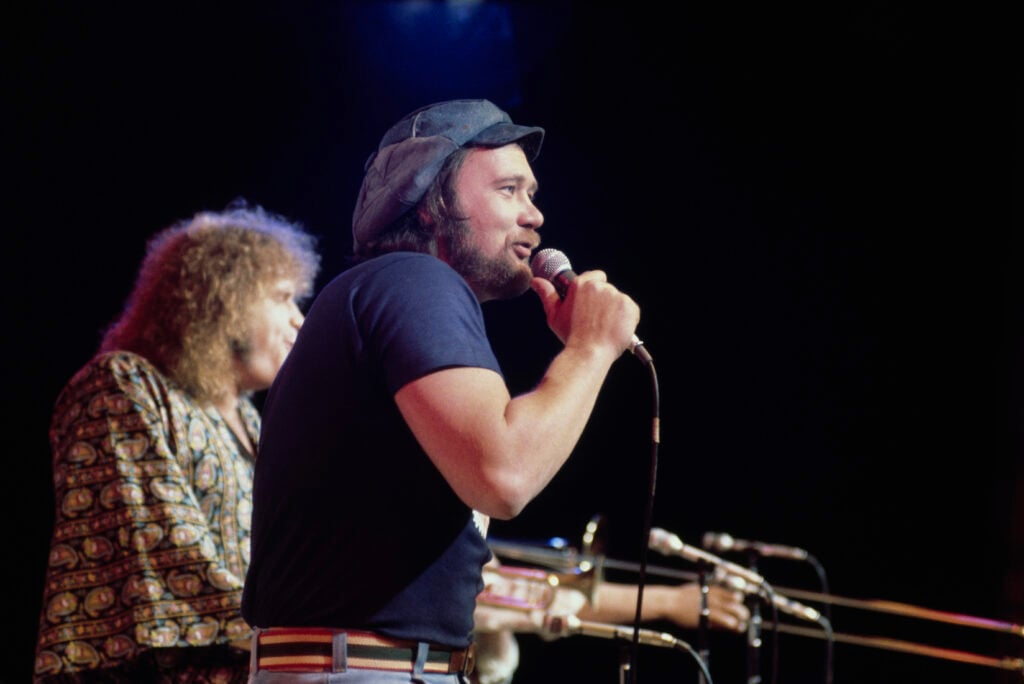
Information of Thomas’ demise comes courtesy of his publicist, who revealed that the singer handed away peacefully on June 24 at a hospital in Toronto (by way of Selection).
No reason for demise has been introduced.
Clayton-Thomas was the voice of Blood, Sweat & Tears in the course of the band’s most profitable period, serving to remodel the jazz-rock group into one of many largest acts of the late ’60s and early ’70s.
His highly effective vocals have been featured on enduring hits corresponding to “Spinning Wheel,” “And After I Die,” and “You’ve Made Me So Very Completely happy.”
Born David Henry Thomsett in England in 1941, Clayton-Thomas moved to Canada as a toddler.
His adolescence was marked by hardship. In accordance with a number of accounts, he left house as a teen and spent years battling homelessness and authorized troubles earlier than discovering music and educating himself to play guitar.
That unlikely path ultimately led him to New York, the place an encounter with singer-songwriter Judy Collins helped change the course of his profession.
Quickly afterward, he joined Blood, Sweat & Tears, stepping right into a band that was trying to find a brand new id. The chemistry was fast.
The group’s self-titled 1968 album grew to become a large success, promoting hundreds of thousands of copies and incomes 5 Grammy Awards, together with Album of the 12 months. Remarkably, it beat The Beatles’ “Abbey Highway” for the highest Grammy honor.
Clayton-Thomas additionally wrote “Spinning Wheel,” which grew to become the band’s signature music and stays one of many defining tracks of the period.
Blood, Sweat & Tears went on to headline Woodstock, dominate radio airwaves, and assist popularize the horn-driven rock sound that may affect numerous bands.
Regardless of the band’s huge success, controversies and fixed touring ultimately took their toll. Clayton-Thomas left the group in 1972, although he would later return for extra stints earlier than specializing in a solo profession that spanned many years.
He launched quite a few solo albums and continued performing properly into his later years.
Our condolences exit to David Clayton-Thomas’ family members throughout this enormously tough time


