


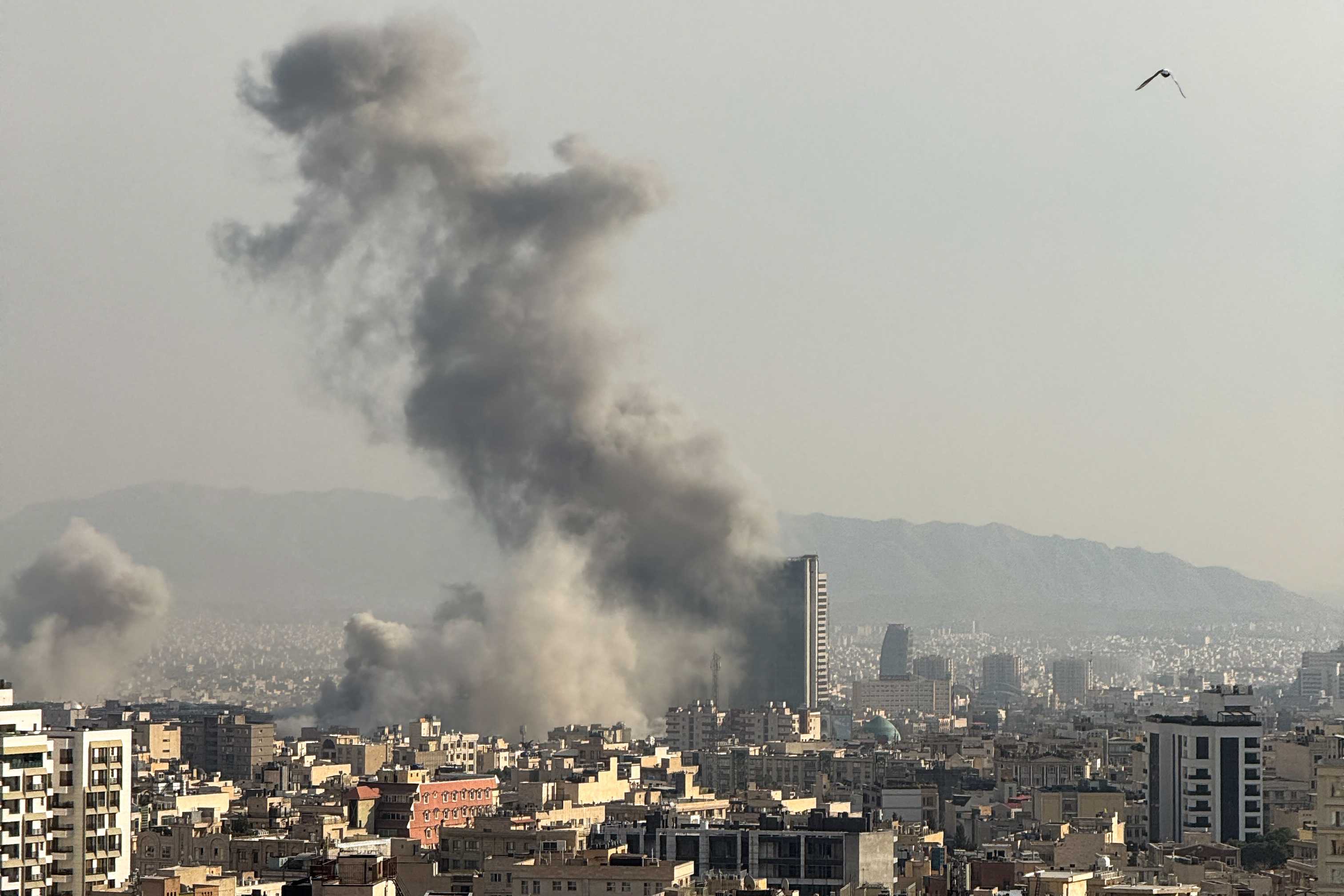
A political battle is brewing over the rising battle in Iran. Lawmakers in Washington may vote as quickly as this week on a battle powers decision geared toward limiting President Donald Trump’s army authority in Iran.If authorised, the decision would power the president to cease operations except he has express Congressional approval to take action. Regardless of bipartisan efforts to verify the president’s energy, the decision is unlikely to cross. This is why:The Conflict Powers ActThe Structure grants Congress the ability to declare battle, however the Conflict Powers Decision, or Conflict Powers Act, was enacted in 1973 within the midst of the Vietnam Conflict. The legislation aimed to share energy between Congress and the president via “collective judgment” when deploying troops. Consultants say the legislation particularly permits presidents to behave beneath three circumstances: A proper declaration of battle, a particular legislation handed by Congress, or a direct assault on america.”Each president since Gerald Ford has used this power and never claimed an emergency, however has executed it anyway,” political analyst Todd Belt mentioned. “Many members of Congress are saying, ‘Sufficient is sufficient, this energy has gone too far.'”The legislation additionally requires the president to seek the advice of with lawmakers in “each attainable occasion,” requiring a written rationalization to Congress inside 48 hours as soon as troops are deployed, which President Trump reportedly did so early Monday. If Congress doesn’t present express authorization inside 60 to 90 days, the decision requires the president to cease all army motion.Even when Congress passes a brand new decision to verify Trump’s energy in Iran, he may veto it. And, overriding that veto would require a two-thirds majority from Congress, making the vote extra symbolic than something.The historic contextHistorically, a number of U.S. presidents have justified their use of power beneath the Conflict Powers Act. For instance, former President George W. Bush did so after 9/11 towards Iraq and finally persuaded Congress to approve it. President Barack Obama additionally confronted strain to cease operations in Libya even after 90 days, however his administration argued that his actions did not rise to the extent of “hostilities” as described within the legislation. President Trump additionally used the ability throughout his first time period in 2020. When each chambers of Congress handed a measure to cease additional strikes towards Iran, he in the end vetoed it.Watch the newest protection on the Conflict Powers Act:
A political battle is brewing over the rising battle in Iran. Lawmakers in Washington may vote as quickly as this week on a battle powers decision geared toward limiting President Donald Trump’s army authority in Iran.
If authorised, the decision would power the president to cease operations except he has express Congressional approval to take action.
Regardless of bipartisan efforts to verify the president’s energy, the decision is unlikely to cross. This is why:
The Conflict Powers Act
The Structure grants Congress the ability to declare battle, however the Conflict Powers Decision, or Conflict Powers Act, was enacted in 1973 within the midst of the Vietnam Conflict. The legislation aimed to share energy between Congress and the president via “collective judgment” when deploying troops.
Consultants say the legislation particularly permits presidents to behave beneath three circumstances: A proper declaration of battle, a particular legislation handed by Congress, or a direct assault on america.
“Each president since Gerald Ford has used this power and never claimed an emergency, however has executed it anyway,” political analyst Todd Belt mentioned. “Many members of Congress are saying, ‘Sufficient is sufficient, this energy has gone too far.'”
The legislation additionally requires the president to seek the advice of with lawmakers in “each attainable occasion,” requiring a written rationalization to Congress inside 48 hours as soon as troops are deployed, which President Trump reportedly did so early Monday.
If Congress doesn’t present express authorization inside 60 to 90 days, the decision requires the president to cease all army motion.
Even when Congress passes a brand new decision to verify Trump’s energy in Iran, he may veto it. And, overriding that veto would require a two-thirds majority from Congress, making the vote extra symbolic than something.
The historic context
Traditionally, a number of U.S. presidents have justified their use of power beneath the Conflict Powers Act.
For instance, former President George W. Bush did so after 9/11 towards Iraq and finally persuaded Congress to approve it.
President Barack Obama additionally confronted strain to cease operations in Libya even after 90 days, however his administration argued that his actions did not rise to the extent of “hostilities” as described within the legislation.
President Trump additionally used the ability throughout his first time period in 2020. When each chambers of Congress handed a measure to cease additional strikes towards Iran, he in the end vetoed it.
Watch the newest protection on the Conflict Powers Act:


